

Sustainable Packaging: How Much Does It Really Cost?
Sustainable Packaging: How Much Does It Really Cost?
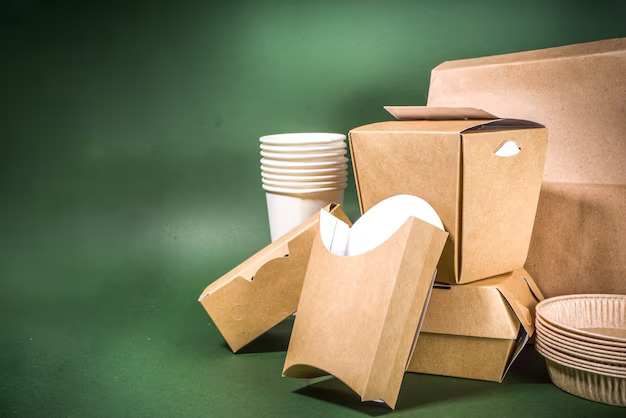
As the world grows more eco-conscious, the pressure on businesses to adopt sustainable practices intensifies—especially when it comes to packaging. But how much does sustainable packaging really cost? Is it just an expensive marketing checkbox, or is there a long-term return on investment hiding behind those biodegradable boxes and compostable pouches?
This blog uncovers the true cost of sustainable packaging. We’ll explore not just the upfront material costs but also the hidden savings, the regulatory incentives, and the brand advantages it offers.
Understanding the Price Tag: Is Sustainable Packaging More Than Just a Trend?
The conversation around sustainable packaging often starts with cost—but rarely ends there. While initial prices may appear steep compared to conventional options, the long-term value tells a different story. Consider Ikea, which redesigned its packaging to eliminate empty space, saving €1.2 million annually. Or the brands that now enjoy stronger customer loyalty and fewer regulatory headaches thanks to sustainable choices.
This blog will unpack all that and more.
Here’s What You’ll Learn:
-
What sustainable packaging really means
-
A breakdown of cost factors (materials, design, logistics, etc.)
-
Real examples of brands saving money with sustainability
-
Current regulations and potential cost penalties
-
The business case: branding, customer loyalty, and ROI
-
Cost-saving tips for adopting sustainable packaging
-
How companies like Dubai Printing Press can support your journey
What Is Sustainable Packaging?
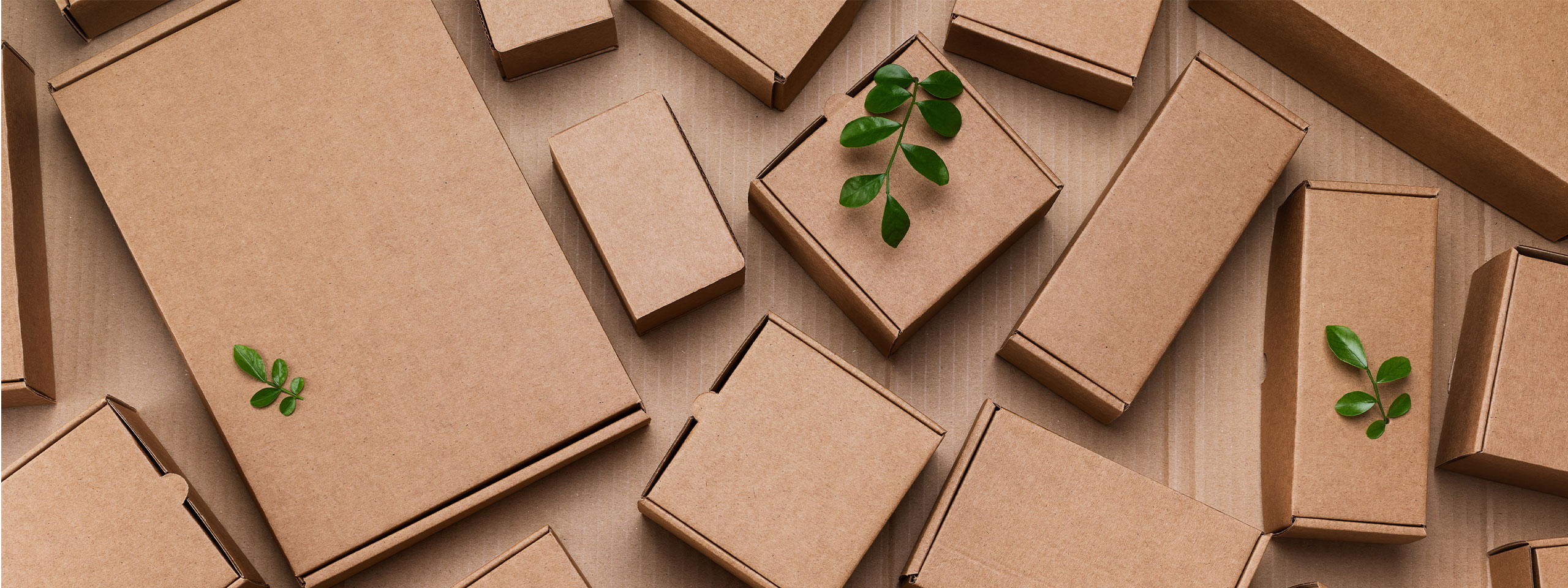
Sustainable packaging refers to materials and methods designed to minimize environmental impact across the product life cycle—from raw material sourcing to end-of-life disposal. It’s typically made from:
-
Recyclable or biodegradable materials (like paper, pulp, or PLA)
-
Recycled content (like post-consumer waste plastics)
-
Renewable resources (like bamboo or mushroom-based packaging)
But sustainability isn’t just about materials. It also includes:
-
Minimizing packaging size and weight
-
Reducing waste during production
-
Improving energy efficiency during manufacturing and transport
Cost Breakdown: Where Do the Expenses Really Go?
1. Materials Selection and Procurement
-
Traditional vs. Sustainable: Conventional plastic mailers can cost as little as $0.03/unit, while recycled or compostable alternatives may cost $0.10–$0.50/unit.
-
Why the difference? Sustainable materials are newer, less mass-produced, and require careful sourcing.
-
Hidden value: Reduced landfill fees, potential tax savings, and improved brand equity.
2. Design and Development
-
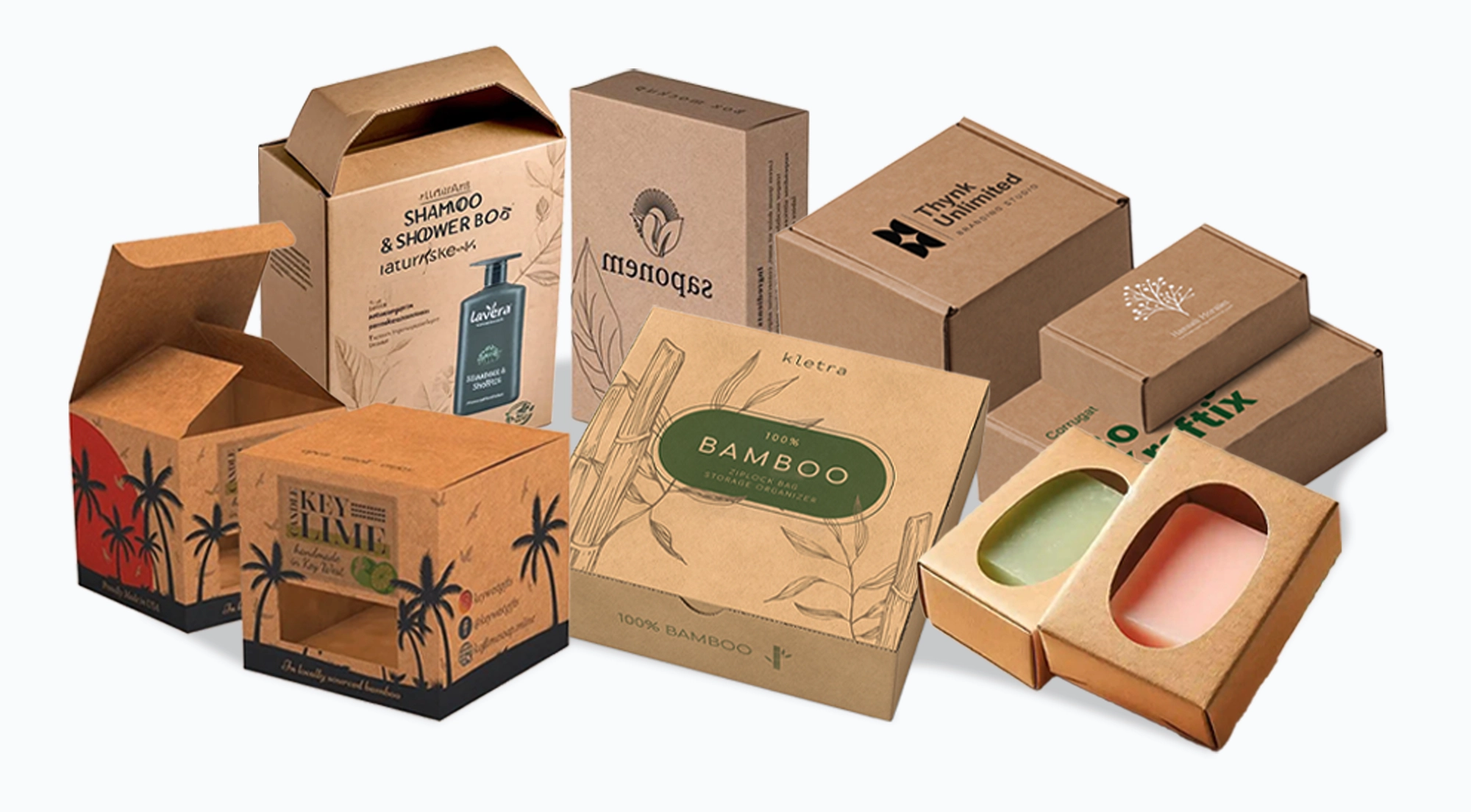
Sustainable packaging often requires smarter, more efficient design—think right-sizing, modular structures, or multi-use features.
-
Costs may increase due to R&D and prototyping.
-
Savings emerge through lower shipping fees (lighter loads), reduced void filler use, and less material waste.
3. Manufacturing and Production
-
Switching to energy-efficient equipment or renewable energy sources can raise short-term costs.
-
However, these changes typically result in long-term operational savings and a smaller carbon footprint.
4. Logistics and Supply Chain
-
Lighter and more compact packaging reduces shipping and warehousing costs.
-
Smartly designed sustainable packages often fit more units per pallet or container.
5. End-of-Life and Disposal
-
Eco-packaging often avoids landfill and incineration costs.
-
Recyclable or compostable packaging also aligns with Extended Producer Responsibility (EPR) laws, reducing penalties.
Is Sustainable Packaging Worth the Investment?
Absolutely—Here’s Why:
1. Customer Loyalty
71% of consumers are actively searching for sustainable products. Shoppers are increasingly willing to pay more for products that align with their values.
2. Brand Differentiation
Sustainable packaging is more than eco-friendly—it’s a powerful brand statement. Companies perceived as environmentally responsible are seen as innovative, trustworthy, and future-ready.
3. Regulatory Compliance
As governments crack down on plastic waste (e.g., UK Plastic Packaging Tax), non-compliance can lead to fines. Sustainable packaging helps you stay ahead of evolving regulations.
4. Long-Term Cost Efficiency
Though initial investments are higher, costs decrease over time due to:
-
Bulk purchasing
-
Process optimization
-
Reduced environmental fees
-
Lower energy usage
-
Higher customer retention
Real-World Examples of Cost Savings

-
Ikea: Saved €1.2M/year through packaging redesign.
-
Lush Cosmetics: Uses 100% post-consumer recycled materials—minimal packaging, maximum impact.
-
Dell: Uses mushroom packaging, reducing material waste by up to 90%.
Ways to Reduce Costs While Going Green
-
Design Smart
Use right-sized packaging and reduce air gaps to save on filler and freight. -
Bulk Orders
Ordering in volume lowers per-unit costs and simplifies logistics. -
Reusable Over Recyclable
Encourage returns or refills through durable packaging options. -
Simplify Your Branding
Switch from printed inserts to QR codes, digital messages, or minimalist labeling. -
Leverage Incentives
Apply for sustainability grants, carbon credits, and government tax relief schemes.
Working with a Sustainability-Focused Partner

If you’re exploring sustainable packaging, aligning with an expert partner is key. Dubai Printing Press offers cost-effective, environmentally compliant packaging solutions tailored to your brand’s goals.
Their expertise ensures:
-
Smart material selection
-
Custom packaging design for function and aesthetics
-
Scalable production for any industry
-
Compliance with regional and international regulations
Final Thoughts: Investing in the Future
Sustainable packaging may come with a higher initial price tag—but the long-term ROI makes it a wise business move. From improved customer loyalty to lower operational costs and regulatory compliance, the shift to eco-conscious packaging can be both profitable and planet-friendly.
When you think beyond price and focus on value, the real cost of sustainable packaging becomes clear—and worthwhile.
